
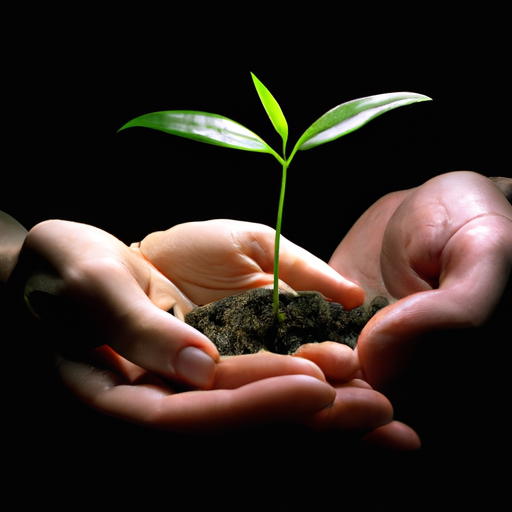
Discover how self-compassion can revolutionize your mental wellbeing and personal growth journey. Research shows that being kind to yourself is more effective than harsh self-criticism for achieving goals. Learn evidence-based techniques to develop a healthier relationship with yourself through mindful self-compassion.

In a world that often emphasizes tough love and rigid self-discipline, the practice of self-compassion might seem counterintuitive. However, mounting scientific evidence suggests that treating ourselves with kindness and understanding is not only more pleasant but also more effective for personal growth and achievement. This comprehensive exploration of self-compassion will reveal how this powerful practice can transform your inner dialogue and enhance your life in meaningful ways.
Understanding Self-Compassion
Self-compassion is not self-pity or self-indulgence. Rather, it involves treating yourself with the same kindness and understanding that you would naturally extend to a good friend facing difficulties. Dr. Kristin Neff, a pioneering researcher in this field, defines self-compassion as having three core components: self-kindness versus self-judgment, common humanity versus isolation, and mindfulness versus over-identification with thoughts and emotions.
The Science Behind Self-Compassion
Neuroscience research has shown that self-compassion activates the parasympathetic nervous system, our "rest and digest" response, which helps reduce stress and promote emotional regulation. When we practice self-compassion, we release oxytocin and opiates, natural feel-good hormones that create a sense of safety and security. This physiological state is optimal for learning, growth, and making positive changes in our lives.
Common Misconceptions About Self-Compassion
Many people resist self-compassion because they believe being hard on themselves is necessary for motivation and success. However, studies have consistently shown that self-compassionate individuals are more likely to achieve their goals, bounce back from failures, and maintain healthy habits. Unlike self-criticism, which activates our threat response and can lead to anxiety and depression, self-compassion provides the emotional safety needed to acknowledge mistakes and learn from them.
Practical Techniques for Developing Self-Compassion
Cultivating self-compassion is a skill that can be developed through regular practice. One effective technique is the self-compassion break, which involves acknowledging suffering ("This is a moment of difficulty"), recognizing common humanity ("Suffering is a part of life"), and offering yourself kindness ("May I be kind to myself"). Another powerful practice is compassionate letter writing, where you address yourself from the perspective of a wise, understanding friend.
The Role of Mindfulness in Self-Compassion
Mindfulness is an essential component of self-compassion, as it helps us notice when we're suffering and respond with care rather than criticism. Through mindful awareness, we can catch self-critical thoughts before they spiral and choose a more compassionate response. Regular meditation practice can strengthen this capacity for mindful self-awareness.
Overcoming Resistance to Self-Compassion
Many people find that self-compassion brings up unexpected emotions or resistance. This is normal and part of the process. Start small, perhaps with simple phrases of kindness during minor frustrations. Gradually work up to more challenging situations as you become more comfortable with the practice. Remember that developing self-compassion is a journey, not a destination.
Self-Compassion in Daily Life
Integrating self-compassion into daily life involves both formal practices and informal moments of kindness toward yourself. This might mean taking a few deep breaths and offering yourself words of encouragement before a challenging meeting, or practicing gentle acceptance when you make a mistake. The key is consistency and patience with the process.
The Impact on Relationships
Interestingly, developing self-compassion often leads to improved relationships with others. When we're kinder to ourselves, we have more emotional resources available for empathy and connection. Self-compassionate people tend to be more authentic in their relationships and better able to set healthy boundaries.
Self-Compassion and Achievement
Contrary to popular belief, self-compassion enhances rather than undermines motivation. Research shows that self-compassionate individuals are more likely to take on challenges, persist through difficulties, and learn from failures. They're also more likely to adopt a growth mindset and view challenges as opportunities for learning.
Conclusion
Developing self-compassion is a powerful way to enhance personal growth and wellbeing. By understanding and practicing the principles of self-compassion, we can create a more supportive internal environment for growth and change. Remember that like any skill, self-compassion takes time and practice to develop, but the benefits to your mental health and personal development are well worth the investment.